The Project

About this inquiry

We live in a world filled with borrowed mirrors. Our ideas of success, progress, nationhood, even dissent, increasingly arrive through foreign media ecosystems. Algorithms shape what we admire. Platforms decide what we remember. American soft power is now so pervasive that it no longer announces itself. It feels like the natural background of modern life.

India, meanwhile, is often interpreted through frameworks not of its own making.

IndianExceptionalism.org exists because of this gap.

This project is not an extension of the Idea of India, nor a rebuttal to it. The Idea of India has largely been normative. It asks what India ought to be. It is moral, constitutional, and aspirational. Necessary, but incomplete.

Indian exceptionalism asks a different question. What has India already been, when it acted against expectation, pressure, and historical gravity?

Exceptionalism is not a claim of superiority. It is an attempt to identify moments where India behaved unlike other nations placed in comparable circumstances — moments marked by constraint, isolation, scarcity, and uncertainty, where the choices made were neither obvious nor inevitable.

Consider a newly independent, economically fragile nation, emerging from colonial rule, facing technological embargoes and strategic pressure. Despite this, India chose to build a nuclear capability on its own terms. Quietly. Patiently. Without alliance patronage or spectacle.

That was not inevitability. That was Indian exceptionalism.

There are other moments. Democratic endurance in the face of mass poverty. Institutional continuity after civilizational rupture. Strategic restraint paired with long historical memory. Pluralism practiced as habit rather than doctrine.

Yet there is no coherent place where such moments are examined seriously. Not as triumph. Not as apology. Not translated through foreign metaphors.

What this project aims to build

IndianExceptionalism.org is a living repository of interpretations. It does not offer a single definition. It invites many. Historians, soldiers, scientists, economists, and writers are encouraged to articulate what Indian exceptionalism means from where they stand.

There will be disagreement. There should be. If exceptionalism is real, it can withstand scrutiny.

In a world where American soft power quietly standardizes imagination, this platform is an act of intellectual self-possession. A refusal to outsource significance. A space to remember that India has not merely responded to history, but has, at crucial moments, shaped it.

Not loudly. Not perfectly. But unmistakably.

The method

Purva Paksha

Understanding opposing positions in their strongest form before attempting synthesis. This project invites learned thinkers to articulate competing answers — including the argument that the idea itself is misguided.

Via Negativa

Some ideas cannot be defined directly. They can only be approached by ruling out what they are not — clarity through subtraction rather than assertion. A method with deep roots in Indian intellectual tradition.

The people behind this inquiry

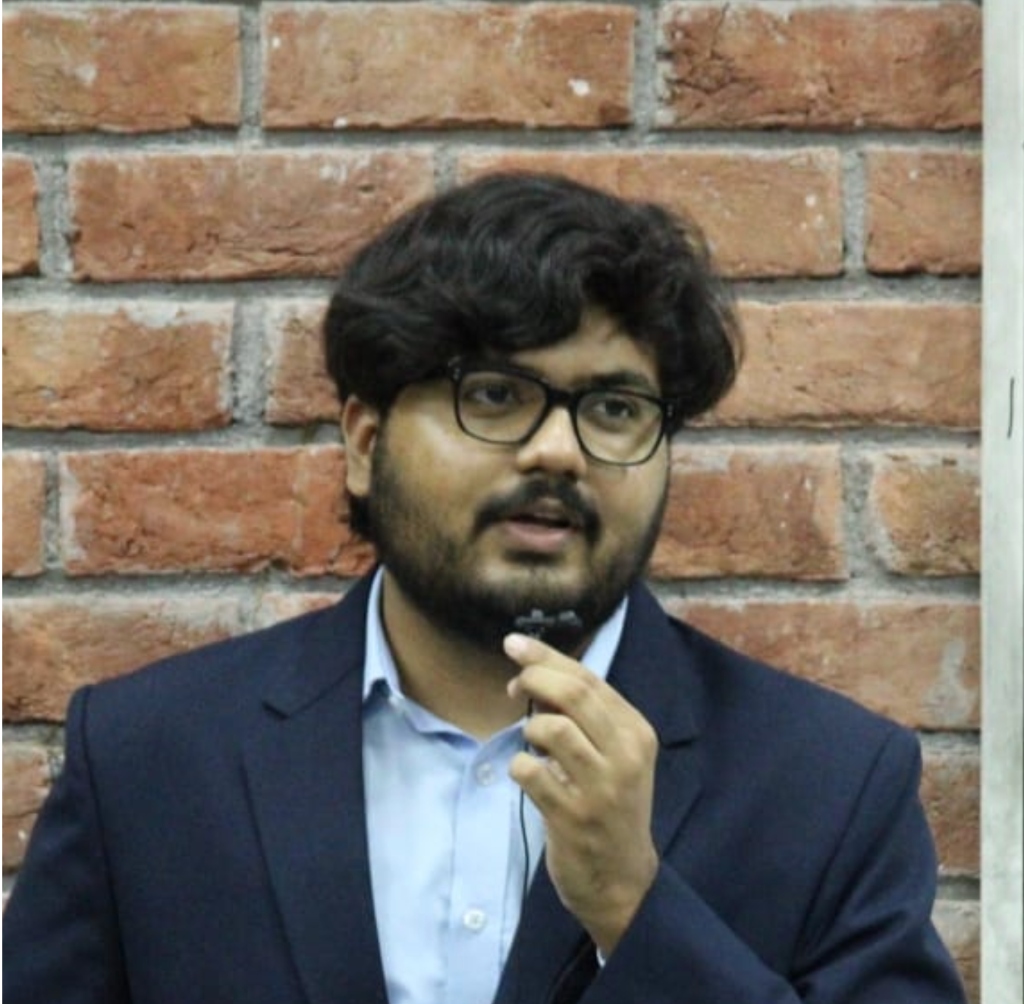
Achyut Tiwari

Founder & Curator

Achyut Tiwari

Founder of GeoLiquefy, exploring the fault lines between technology, institutions, and the deeper civilizational questions that shape India's future.

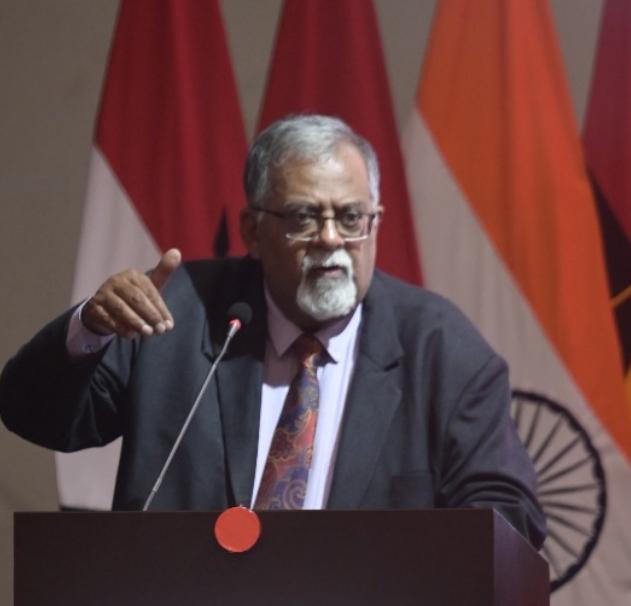
Shiv Kunal Verma

Founding Patron

Shiv Kunal Verma

Military historian, author, and filmmaker whose work preserves the memory of India's wars and reflects on the character forged through them.

In partnership with Fortress India